
Block Rewards and Halvings
Bitcoin block rewards motivate miners, while halvings guarantee a sound basis for crypto markets. What are these terms and how are they related?

Block rewards and halving events are crucial components of cryptocurrencies like Bitcoin. Understanding both terms will allow you to appreciate one of the most readily praised features of these cryptocurrencies: their potential to serve as a store of value.
What is a block reward?
Cryptocurrency mining is the process that allows Proof of Work (PoW) cryptocurrencies like Bitcoin to stay decentralized. “Miners”—computers scattered across the globe—compete to be the first to find the mathematical phrase that adds a block to the blockchain, which irrevocably adds new transactions to a publicly available record.
A block reward is an amount of crypto given to the miner who first verifies the legitimacy of a block. Block rewards are simply a way to incentivize people to participate in this system. The transaction fees included in the latest block are also paid to the winning miner.
Block rewards have always been a part of Bitcoin’s core design, dating back to the original white paper that first outlined Bitcoin in 2008. Importantly, block rewards are the only time in which new bitcoins are ever created.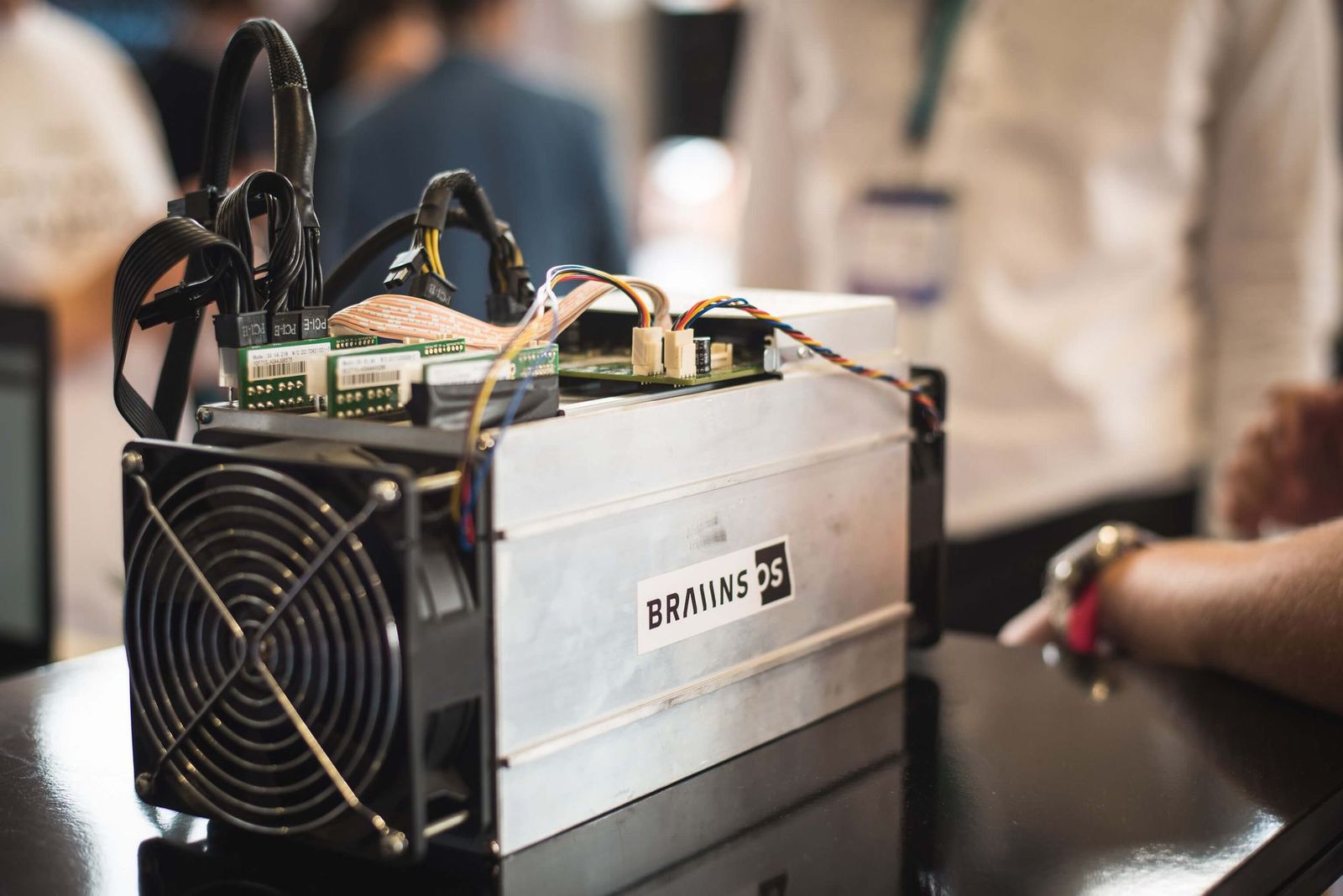 A single Antminer S9. By Braiins.
What is block halving?
Block halving is an aptly-named process in which the block reward that miners receive gets cut in half at predetermined intervals. The reward for mining halves every time 210,000 blocks have been verified. Since the average block takes about 10 minutes to confirm, this works out to a halving event occurring roughly every four years.
For instance, miners received 50 Bitcoin per verified transaction back in 2008, 25 BTC in 2012, 12.5 BTC in 2016, and 6.25 since May 2020. After the April 2024 halving, the reward halved to 3.125 BTC.
Why is block halving important?
Bitcoin was designed with a fixed supply cap: only a maximum of slightly less than 21 million Bitcoin will ever exist. The process of block halving ensures that new bitcoins are introduced into the system at a slower and slower rate over time, further insulating the network against inflation.
Unlike fiat currencies where governments can print new money (causing inflation), Bitcoin’s supply is predetermined in code. This is supposed to guarantee that Bitcoin is immune from inflation — often compared to “digital gold.”
What is the impact of block halving on Bitcoin’s price?
In theory, since block halving slows down the rate of new Bitcoin creation, halving events should correlate with increases in the asset’s price. However, while price hikes have happened around the same time as halving events in the past, it is virtually impossible to pin the market’s movements on individual events. While it’s difficult to say for certain that Bitcoin bull markets are caused by halvings, the history of Bitcoin does seem to show a correlation. By Dylan LeClair, Bitcoin Magazine.
Ultimately, block rewards and halvings are groundbreaking mechanisms that incentivize participation in a decentralized environment while ensuring Bitcoin never suffers from inflation.


